
If you’re contemplating a remodeling project, you may be thinking big — a home addition or maybe a total renovation of your main floor. But if you’re like many homeowners, this can drum up worries about taking out walls and what that means for the safety and security of your home.
In-home construction, not all walls are created equal. Some walls are load-bearing, making them essential to the house’s structural integrity. Load-bearing walls can be removed, but doing so demands careful planning by an experienced professional to make sure that there’s an alternative method of structural support.
In this post, I’ll get into the details about load-bearing walls, including what they are, how to identify them, and the options for taking them down. I’ll also touch on why you might want to remove a load-bearing wall and go over some of the issues that can come up when removing even non-load-bearing walls.
What Is a Load-Bearing Wall?

By definition, a load-bearing wall helps support the structural weight of the building. In homes, it helps transfer the accumulated weight of the roof, upper floors, and other parts of the structural frame down to the foundation.
Load-bearing walls are essential to a house’s structural integrity, providing stability and preventing collapse.
Are All Walls in a House Load-Bearing?
Not all walls in a house are load-bearing. In most cases, non-load-bearing walls are designed to help separate different spaces in a house. For example, room divider walls or partition walls are often used to break up a space, such as turning one bedroom into two. While these partition walls help shape the floor plan, they are not load-bearing.
Why Is It Important to Identify Load-Bearing Walls?
Figuring out if a wall is load-bearing is crucial before starting any demolition or renovation work. Taking down the wrong wall can cause serious problems, so it’s crucial to consult with an experienced interior designer, architect, or structural engineer before removing walls in your home.
How Do You Identify Load-Bearing Walls?
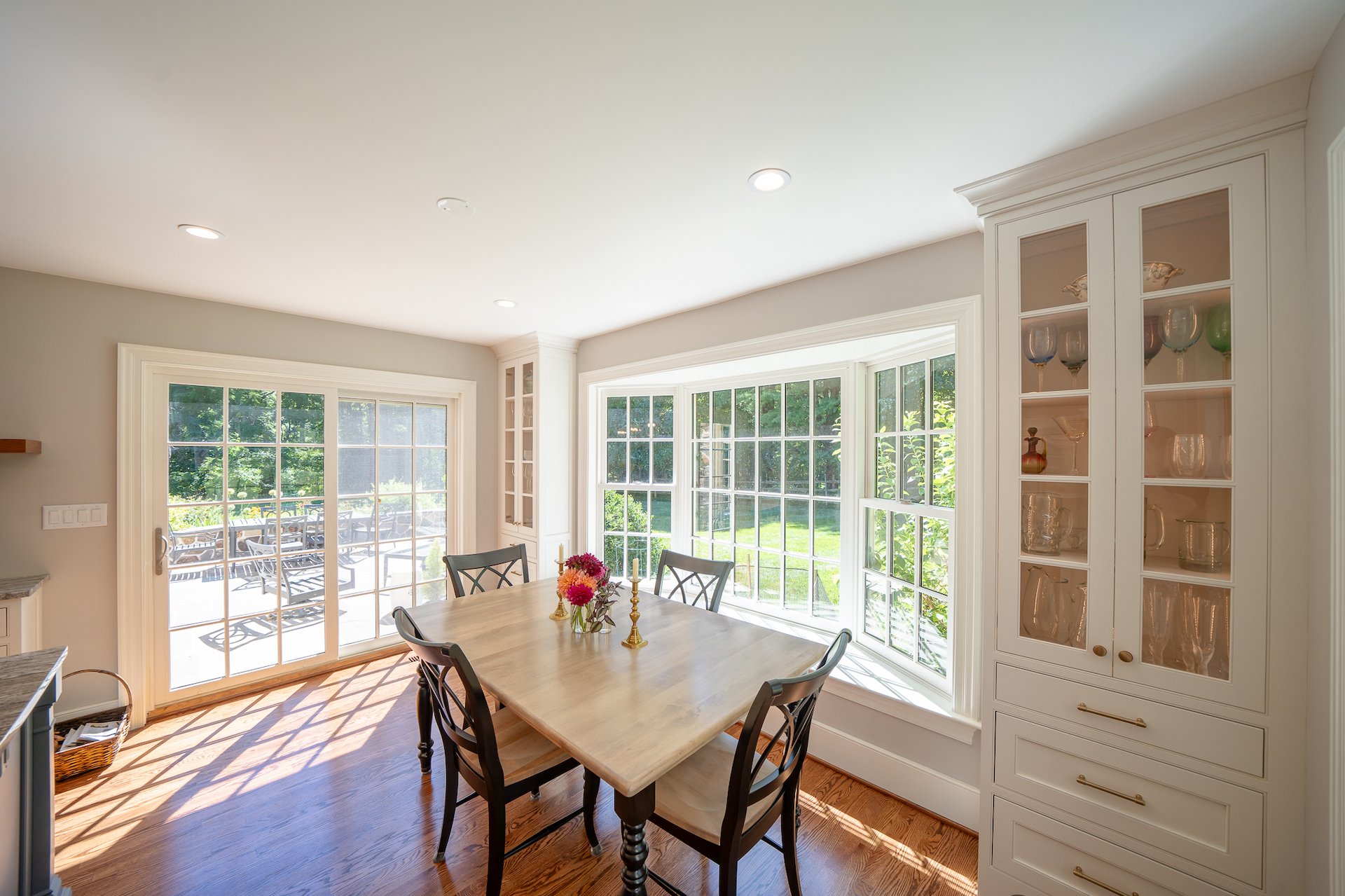
It is not always obvious whether a wall is load-bearing, and there’s no foolproof DIY method for identifying a load-bearing wall. However, there are some things to look for that can give you clues about whether a wall is load-bearing.
- Location: The exterior walls of a house are almost always load-bearing. Walls in the center of your home are frequently load-bearing. If a wall on your second story is directly above a wall on the ground floor, it’s more likely that those walls are load-bearing.
- Direction of joists: Joists are like the ribs of a floor or ceiling, running horizontally to distribute weight to the load-bearing beams or walls. You typically have to go to your basement or attic to see exposed joists, but they can offer insight into which walls are load-bearing. If a wall runs parallel to the joists, it’s more likely to be non-load-bearing. If a wall is perpendicular to the joists, it’s usually load-bearing.
- Underlying supports: In your basement, you may be able to see that a first-floor wall has columns or posts right beneath it that form a direct support structure. This type of underlying reinforcement can be a sign that the wall is load-bearing.
- Thickness: Load-bearing walls tend to be thicker in order to carry more weight, but thickness alone doesn’t determine load-bearing potential. As a result, this is a limited indicator of whether a wall is load-bearing.
- Material: Concrete and masonry walls are popular for load-bearing, but that doesn’t mean they can’t be used for partition walls, too. For that reason, looking at the material elements alone is far from a guaranteed way of identifying a load-bearing wall.
If you have the blueprint for your house, you can see the details of how the building was designed. There may be notations that show which parts of the structure are load-bearing, but you should still consult with a professional before taking out any walls.
Is It Easier to Remove Non-Load-Bearing Walls?
In general, it’s easier to remove non-load-bearing walls because they don’t support the weight of your house’s structure.
That said, even non-load-bearing walls can have electrical, plumbing, or HVAC elements installed in them. If you remove the wall, you’ll also have to take measures to deal with these attached or built-in components.
You can almost always reroute wiring, plumbing, and ducts, but that can drive up the cost of the project. So while removing a non-load-bearing wall is easier in terms of structural integrity, it may still involve complex and potentially costly work.
What Are the Options for Adding Support When You Take Out a Load-Bearing Wall?
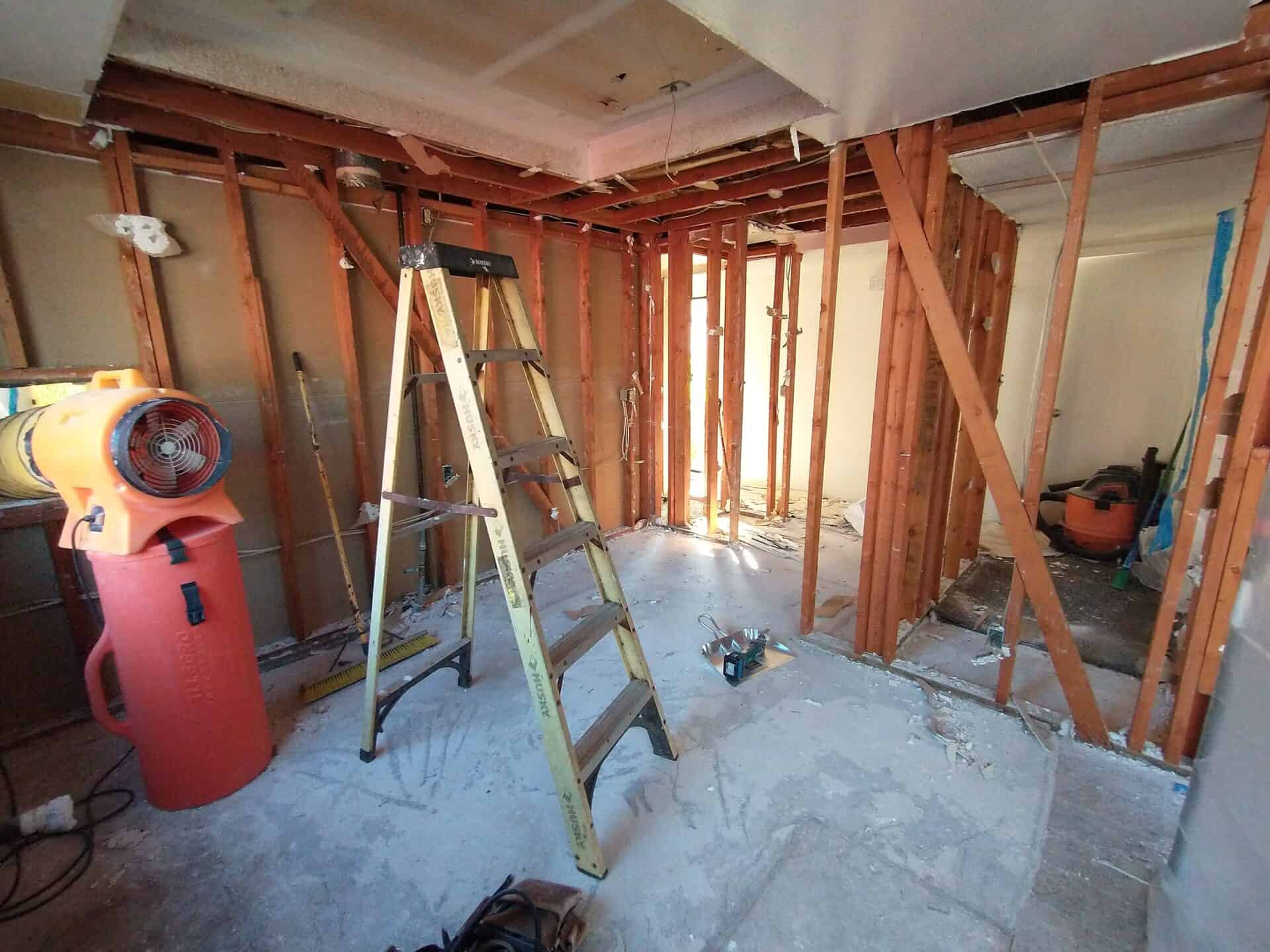
It’s possible to remove a load-bearing wall, but that demands a new element of structural support. Three common options include:
- Posts: Think of these as vertical columns that transfer the weight down to the foundation. They’re the most budget-friendly option, but they’re also the most visible and obstructive. Posts can be combined with one of the beam options below and, if present, may allow for the use of a smaller, less obtrusive beam.
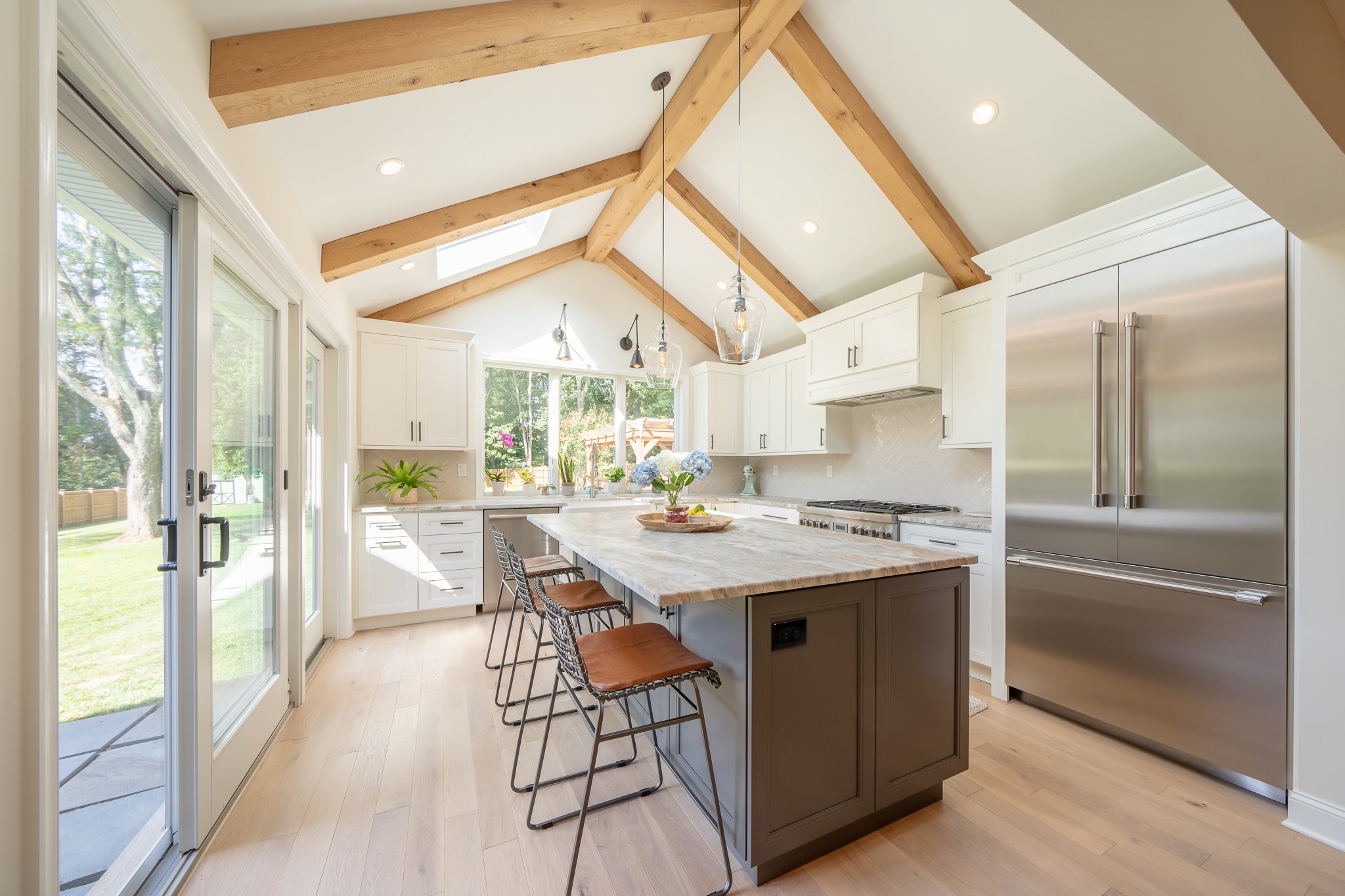
- Visible beam: A beam is a horizontal structural element that spans the opening where you used to have a wall. It carries the load from above and transfers it to other supporting structural elements. Some people like the aesthetic of a decorative wood beam along the ceiling. The beam can be solid timber, for a rustic look, steel, for an industrial look, or glulam, which is composed of many layers of wood glued tightly together and is often the most economical option.
- Wrapped beam: With this approach, the beam is concealed by drywall so that it’s not visible on your ceiling. However, the extra drywall means that the ceiling will hang down slightly in the area underneath the beam.
- Recessed steel beam: This is the strongest and most visually unobtrusive option. A recessed beam requires reworking the floor of the upper story so that the bottom of the beam sits flush with the ceiling. As you might expect, this approach is also the most expensive.
If you decide to remove a wall during a remodel, an interior designer, architect, or structural engineer can address the possibilities in your space. They can use a resource called a span table to determine the acceptable distance between supports for different kinds of materials. This enables them to ensure that the weight of the structure will be properly supported.
Why Remove a Wall in the First Place?

For many homeowners, removing a wall is an opportunity to open up space and reorganize the floor plan in a section of their house. This involves more construction, but it also offers many more possibilities than a cosmetic remodel.
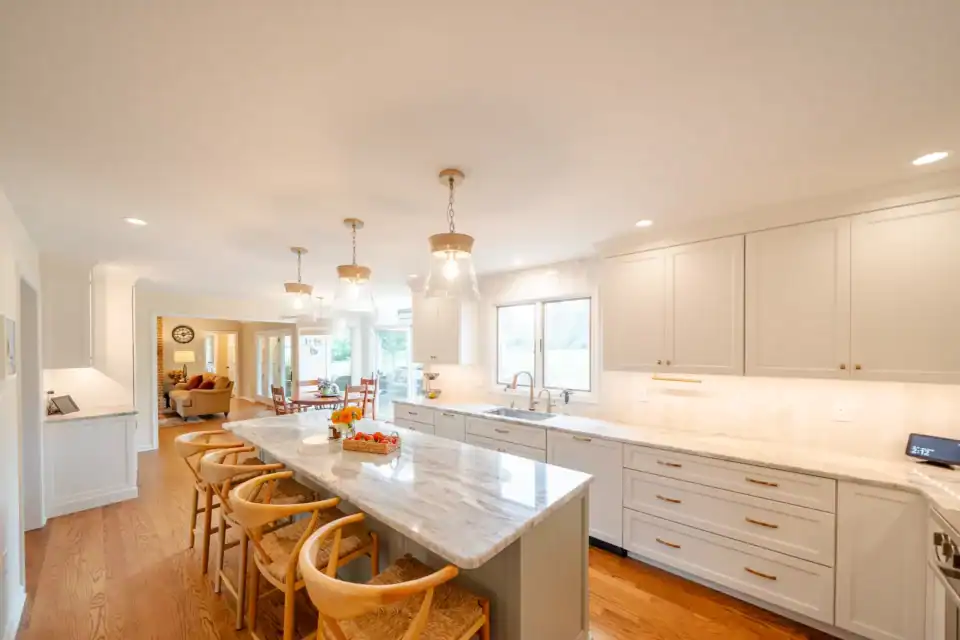
The open-concept kitchen is just one example, and it appeals to many people who want to optimize their main floor for entertaining. Taking out a wall between the kitchen and dining room or living room can dynamically connect these spaces and may also create space for a bar or kitchen island.
In other types of remodels, such as a home addition, you may want to remove a load-bearing wall in order to expand your living space or put in a new bedroom or bathroom.
Should You Remove a Load Bearing Wall?
Whether you should remove a load-bearing wall depends on your remodeling needs, the goals of your project, and your budget.
Because it affects the overall support for the structure of your home, removing load-bearing walls adds complexity to a home renovation. Extra care in design and construction is necessary to ensure that the structural integrity of your home is maintained at all times. In most cases, this will be reflected in the total project cost.
The flip side of that coin is that removing a load-bearing wall can dramatically expand your options for redesigning and remodeling your home. Many big changes to your layout simply can’t be done without taking out a load-bearing wall.
I recommend consulting with an experienced remodeler who can help you understand all the pros and cons of removing a load-bearing wall. But in the end, only you can weigh the benefits and downsides to determine if it’s right for your home.
Finding High-Quality Remodeling Services
Expertise and attention to detail are necessary for any successful home remodel, but they are especially important for structural remodeling and removing load-bearing walls.
Hazley Builders has more than 25 years of experience in high-quality and custom home remodeling. We proudly serve the West Chester area, where our family has been rooted for generations.
We have an in-house certified architect who helps our clients and designers determine what types of structural modifications are possible and how they can fit within a broader remodeling plan. As a design-build firm, we manage the project from day one, working as a team to ensure that the work is done right.
If you’re looking for inspiration, we invite you to check us out on Instagram, and if you already have remodeling project ideas, contact us directly to schedule an appointment.