
A home remodeling project can be intimidating to take on. While the prospect of upgrading your home can be exciting, many people aren’t sure about how to get started or what to expect.
We’ll walk through the steps involved in a successful home remodel, including how to define your needs and what to expect when working with an experienced remodeling firm.
Starting the Process: Goals, Ideas, and Priorities
To start planning for a home remodel, you want to move from a general idea to increasingly specific details. In our experience, it helps homeowners to put pen to paper and identify their goals, ideas, and priorities.
Clarifying Your Home Remodel Goals
An essential part of any successful home renovation is having a clear vision of what you hope to accomplish. Potential goals of remodeling projects include:
- Expanding your home
- Reorganizing or optimizing your existing space
- Increasing resale value
- Resolving underlying problems, which may be structural, practical, or cosmetic
- Future-proofing your home by addressing issues that may arise down the line
To be clear, a home remodel can have more than one goal. Knowing your goals gives you a point of reference that you can refer back to throughout the entire planning process, from brainstorming to professional design work.
Outlining the Scope of Your Home Renovation
With clear goals for a remodeling project, you can start to think about its scope. This directs your focus to which parts of your home need remodeling and what type of work is needed.
Although home renovations come in all shapes and sizes, most fall into one of a handful of categories:
- Extensions that add a new story, wing, or room
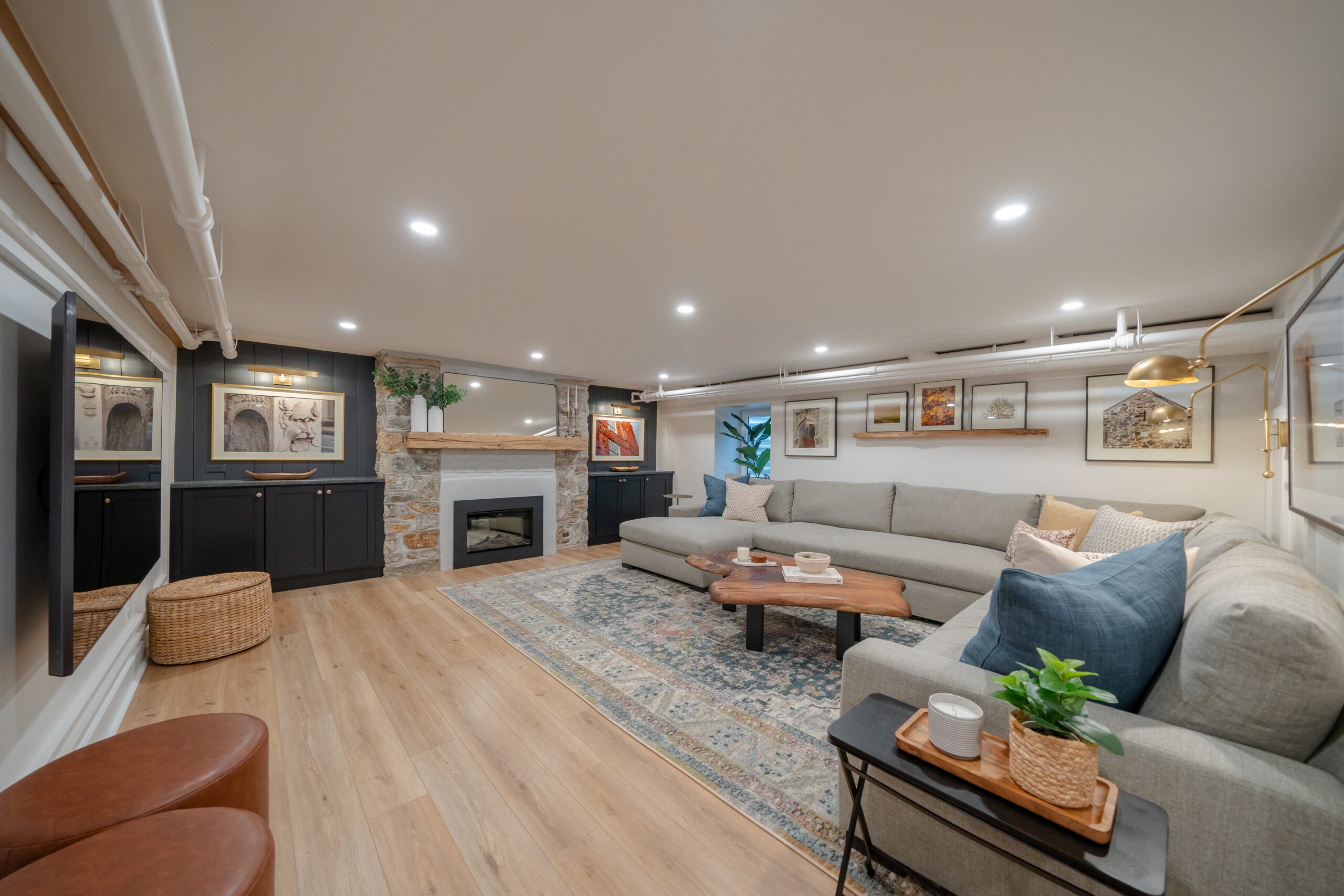
- Finishing a basement, which can involve adding a bedroom, bathroom, and/or kitchen
- Floor plan modifications, which may include removing or moving walls to change the layout of rooms in your house
- Refreshing an existing space, ranging from a bathroom remodel to putting in new kitchen appliances to installation of new flooring or windows
- Upgrading your home’s infrastructure, such as roof work, overhauling the plumbing or electrical system, or installing central air conditioning
- Updating the sense of style or aesthetics of a room or the whole house, which can span everything from paint to fixtures to furniture
- Adapting your home to increase accessibility for people with limited mobility, such as by installing ramps or putting in wider doors for wheelchair clearance
Setting the general contours of your remodeling project can help you transition into the next steps of your planning, which are focused on specific elements of what the work should include.
Reflecting on Your Current Space
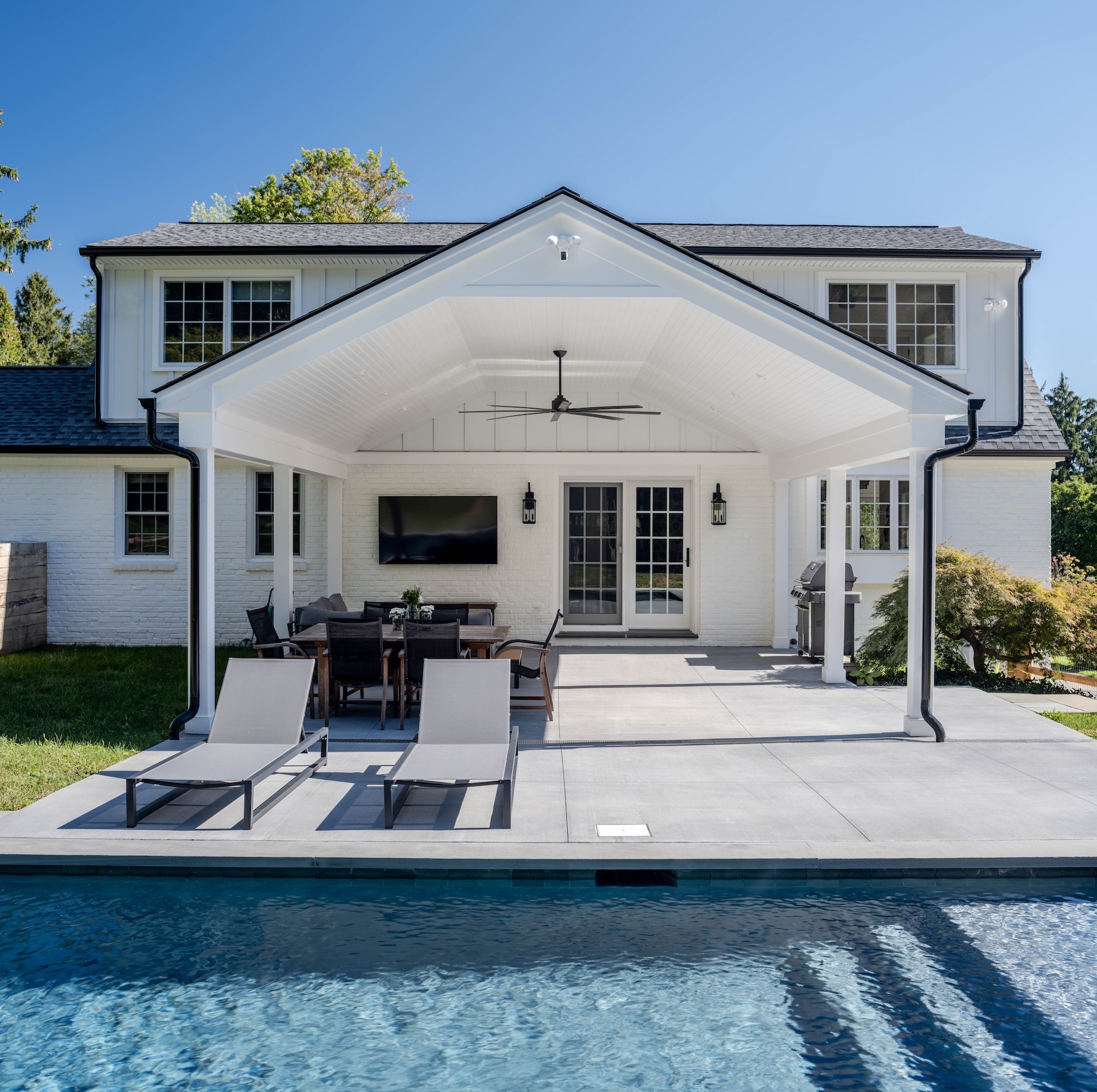
In this planning step, you take a hard look at your existing space and reflect on what works and what doesn’t.
Start by making a note of any features or design elements that you love and want to preserve in any home renovation.
Then it’s time to air your grievances. List out all the things that you want to change, including what seem like small complaints. When doing a renovation, you don’t want to recreate little problems or annoyances, so take your time and create a thorough list of things that need to change.
Brainstorming
At this point in the process, you can let your imagination go wild. Write down any idea or vision that comes to mind about what your home could look like after a remodel. You can even look for inspiration across the whole spectrum of home remodeling content, including TV shows, print publications, and social media feeds.
While you’re brainstorming, don’t worry about whether an idea actually makes sense or if it’s too costly. You’ll have plenty of time to narrow down the project to suit your priorities and budget, so for now, let yourself think big.
Considering the Whole House
Even if you’re only renovating one room, think about how it affects the whole house.
For example, if you want to put new flooring in your kitchen, try to imagine how it will look next to the floors in adjoining rooms. If you’re planning a bathroom remodel that requires significant plumbing work, consider whether it makes sense to do a more complete upgrade of the plumbing lines throughout the house.
Taking a holistic approach helps ensure that the renovated space meshes with the rest of your house. You probably don’t want to paint new walls with a color that clashes horribly with the rooms nearby.
The whole-house approach can also identify potential long-term cost savings. Instead of looking at one room or issue in isolation, you can see whether there’s an opportunity to tackle an underlying problem affecting your property more efficiently.
This type of whole-house thinking is especially important if you have a historic home. Older homes can pose unique challenges and require careful planning to ensure that a remodel doesn’t harm the home’s structure or aesthetics.
Embracing Your Sense of Style
For many homeowners, a remodel is an opportunity to reinvigorate their home with their own sense of style.
This doesn’t mean that you have to know exactly what type of fixtures or paint colors you want. However, designing your remodel project is much easier if you know whether your preferences tend toward classic, rustic, modern, minimalist, or any other style.
Defining Priorities
By this point, you’ve done a lot of thinking about what your remodel could entail. Now, it’s important to determine what your remodel should include.
One of the best ways to define your priorities is to look at all of your ideas and separate them into one of three buckets:
- Must have
- Nice to have
- Reconsider during the next remodel
With the “nice to have” list, many homeowners find it helpful to either rank the items or to put a star by the ones that would be most impactful.
Clearly defining your priorities facilitates collaboration with designers and contractors and paves the way for your home remodel to meet your standards and expectations.
Budgeting for Home Renovations
Budgeting can be one of the trickiest parts of remodeling projects. You should strive to set a realistic budget, but, if you’re not well-versed in construction costs, it can be hard to know how much a remodel will set you back.
If you’re still at an early stage of the process, don’t focus on what your desired renovation may cost. Instead, determine how much you’d like to spend and how much you’re willing to spend. When you find a trusted contractor, they can work with you to make the most of your budget.
Large projects like a whole home renovation are always going to cost more money than smaller projects. So if you know your budget is limited, you may need to scale back the scope of the job.
The contractor that you work with can create a proposal and explain how they intend to stay on budget. They can also discuss issues like payment terms and whether any funds should be kept in reserve for contingencies.
Choosing a Partner for Your Home Remodel Plans
Once you have defined the priorities and general budget, it’s time to find a professional who can make your home remodel a reality.
Not all home remodelers work in the same way. We are strong advocates of the design-build process, which means one team handles the entire project from start to finish. In-house designers collaborate with the construction team, giving homeowners a single contract and single point of contact for the project.
The other approach is to hire a designer first and then get bids from different general contractors to implement the design. This model is sometimes called design-bid-build.
We follow the design-build process because we believe it leads to better results for our clients. Design-build projects can transition quickly from the planning stage to the actual renovation work, eliminating the need to shop around for a separate general contractor.
Having the entire project team under one roof reduces project delays, unexpected costs, and potential discrepancies between an interior designer and a general contractor who works independently. Hiring a design-build firm also simplifies communication, allowing clients to always know who to call if they have questions or concerns.
Finding a Great Home Remodeling Firm
When looking for a home remodeling firm, there are certain key characteristics that you’ll find among all of the best contractors:
- Experience and expertise in residential remodeling
- A well-established process that provides for both cost control and excellent results
- A customer-focused mentality and effective communication skills
- Proper licensing, bonding, insurance, and knowledge of local permit requirements
- References from past clients and a portfolio of completed work
One way to find a great contractor or remodeling firm is to ask friends and family for referrals. Most homeowners also request estimates from multiple contractors to compare bids and communication styles.
Designing a Home Renovation
If you hire an experienced design-build firm, they will work from day one to understand your needs and create a detailed home remodel plan. To get started, they’ll visit your property to get measurements and learn about your goals for the project.
Once they understand the job requirements, the firm will work on a conceptual design, which incorporates the essential elements but not every last detail.
The timeline for this planning stage will vary based on the scope of your project. A whole home renovation will require the most design work, while a complete kitchen remodel typically means a more involved plan than simply sprucing up a family room.
For complex projects that involve structural changes like moving walls or creating open walls, the design may need to be approved by an architect or structural engineer. This assures that the project will uphold the structural integrity of your house and comply with any relevant building code.
Approving the Design and Budget
Before construction can start, you and the remodeler need to finalize the design for the renovation. Together, you can review the details of the proposal and make any necessary changes.
Once everything is squared away, you’ll approve the design so that the project can move forward. In some cases, certain items, such as the selection of specific appliances, may be left as “TBD,” but at this point, all of the core elements of the renovation are established.
Choosing Fixtures and Finishes
The designer can round out the design by helping you select items that influence both function and style. These include items like flooring, tile, plumbing, and light fixtures, paint for walls and cabinets, and other hardware.
The choice of materials can directly impact how much you need to spend, and the designer can typically suggest different options, including ones that may save money. This process is sometimes called “value engineering.”
After these choices are completed, the contractor will make sure that all of the materials are ordered and available at the appropriate time in the project timeline.
The Construction Phase
A major benefit of working with a design-build firm is that once your design is in place, you don’t have to interview general contractors and try to find someone to work on your house. Instead, you can trust an experienced team to finish the remodel project.
The design-build team will get all necessary permits early in the process. Before any demolition or construction begins, you’ll meet with the team in your home. The project manager will go over the schedule and discuss how to prepare your house for the renovation.
For large projects, the whole house may be a work zone, requiring you and your family to find a temporary place to stay. For smaller jobs, you may be able to stay at home but may need to remove personal items from certain areas or set up a temporary kitchen.
Don’t wait to get these preparations in order. If there’s a delay on your end, it can push the construction off schedule, which may affect the availability of any specialized contractor needed for the project.
Work in Progress
During this stage, your house actually gets remodeled. Regardless of the project—whether it’s taking out walls, finishing a basement, or reinvigorating a kitchen—the team will follow a containment plan to prevent dust or debris from affecting other parts of your home, including the furniture and floors in adjacent areas.
Your project manager can keep you up to date as the work proceeds and let you know if there are any changes to the schedule.
Wrapping Up the Project
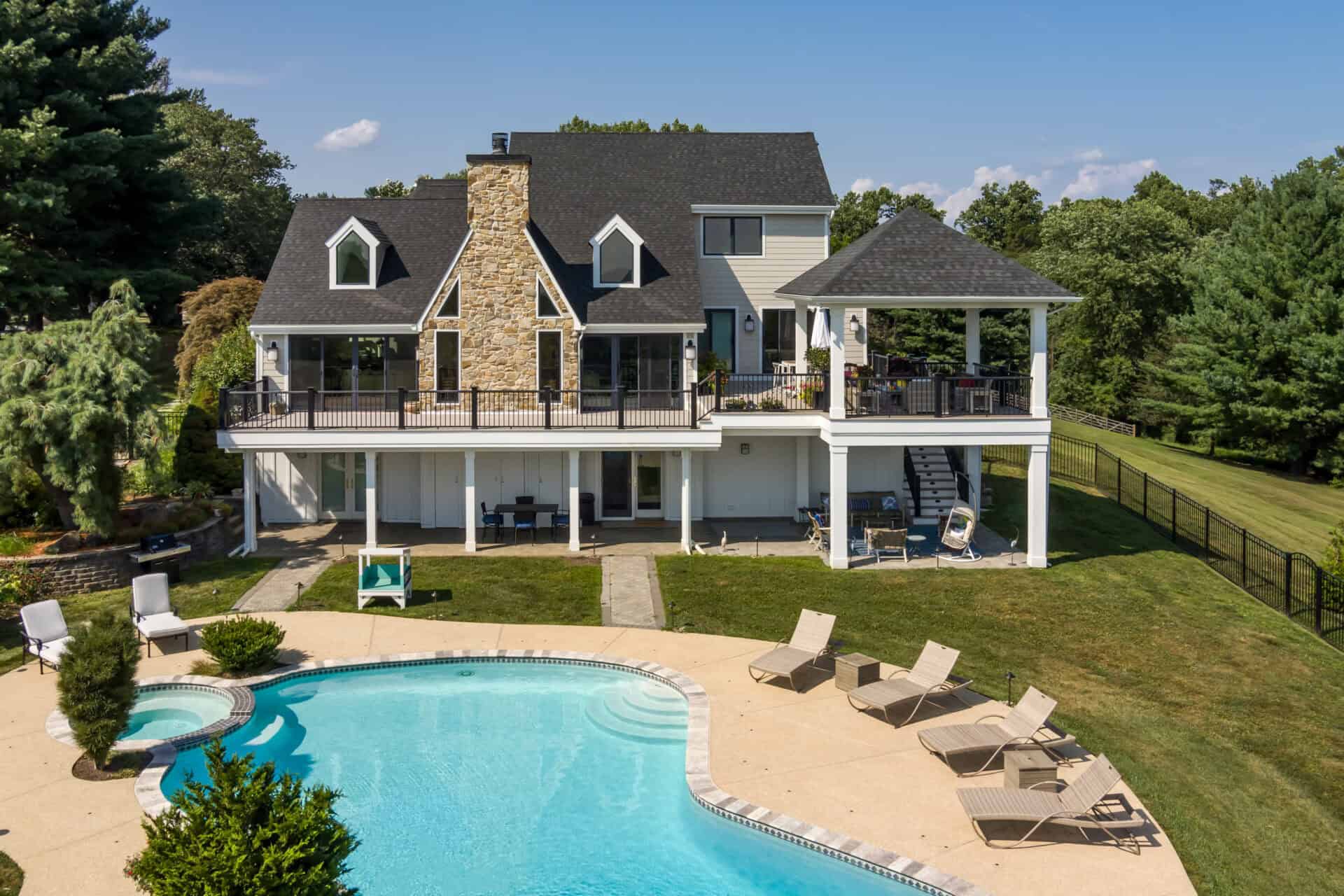
Once the work is completed, you’ll do another walkthrough to see how everything looks. You can make a note of anything that requires finishing touches, which will be added to the punch list of items that have to be done to fully wrap up the remodel. Depending on the project, you may need a final inspection to ensure your house is up to code.
After that, your remodel is done, and the only thing left to do is enjoy your newly renovated home.
Making Your Remodel a Reality
If you’re in the West Chester, PA, area and need an expert design-build firm, we’re here for you. We have a refined design-build process that puts our clients first and a proven track record of delivering projects on time and within budget.
If you are thinking about a home remodel, contact us today to discuss how our team can bring your vision to life with a commitment to quality and excellence.