

As you might imagine, there’s no standard timeline for home renovation projects. How long it takes depends on a range of factors, including project scope and complexity. Larger projects and those that involve structural work almost always require more time. In addition, project timelines are often subject to subcontractor availability, materials delivery, and whether you can avoid unexpected surprises (ranging from weather to unforeseen issues during the construction phase).
To give you some ballpark numbers:
- Cosmetic remodels often take 1 to 3 months.
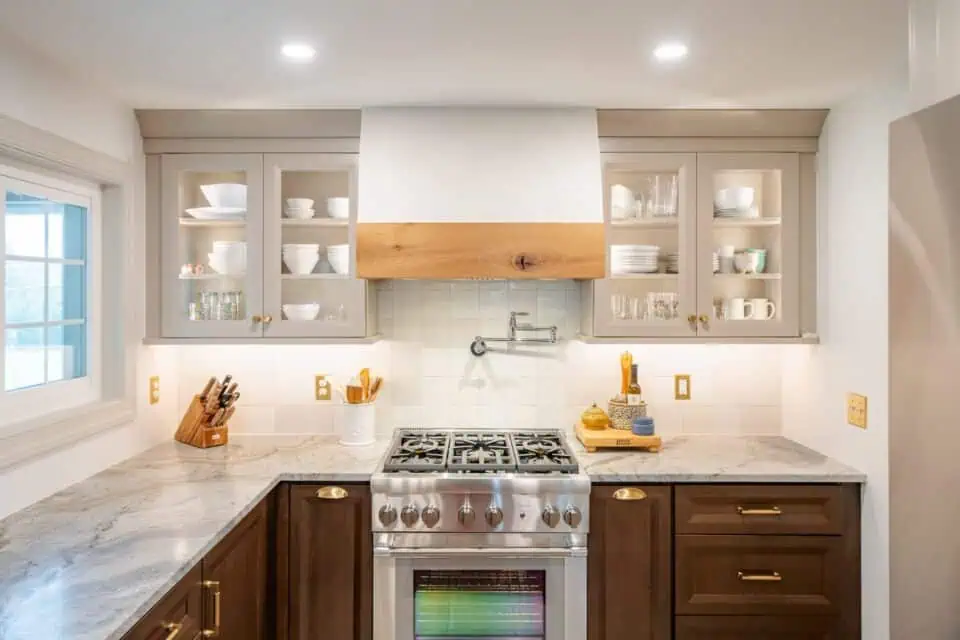
- Mid-level projects, like kitchen remodels or bathroom upgrades, frequently take 2 to 6 months.
- A full-home renovation is a significant undertaking; construction alone typically runs six to fourteen months, depending on the scope of the project.
In this post, I’ll give more details about these timelines, how to set realistic expectations (including a planning buffer for potential delays), and steps you can take to help keep your project on track.
Typical Timelines by Project Type
Cosmetic Renovations
Cosmetic renovations are the easiest to plan and complete, and they generally take 1 to 3 months. With the most basic of these projects, it might even be possible to complete the work within a few days or over a weekend.
To be honest, I think there’s room for debate about whether it’s fair to classify the simplest touch-ups (like interior painting) as a renovation or remodel. But rather than getting bogged down in terminology, I’ll just say that the common thread among cosmetic renovations is that they focus on surface-level issues without changes to the flow or footprint of a home.
For example, these projects may include:
- Swapping out kitchen appliances (a pull-and-replace remodel)
- Repairing and repainting drywall
- Installing new flooring
That’s only a brief list, but it gives you a sense of the type of work involved. In many cases, it takes longer to choose and order new materials than to actually install them.
Mid-Level Remodels
Mid-level remodels involve quite a bit more work than cosmetic ones. In general, they take between 2 and 6 months.
They involve multiple elements within one space and may even require structural repairs or other changes that affect the layout of a room.
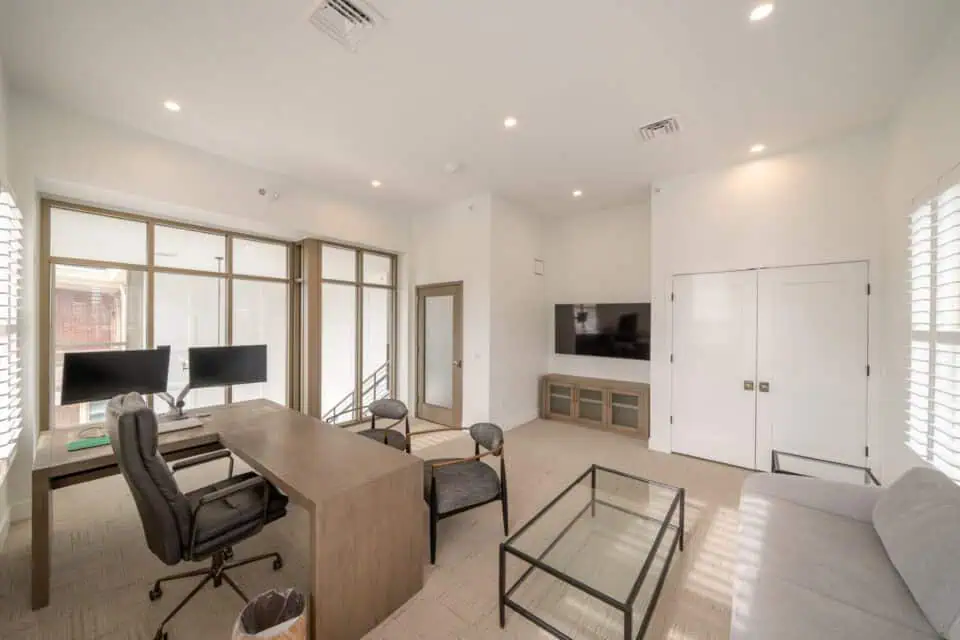
Kitchen remodels are the most popular type of mid-level remodel, but these projects may also include things like converting an office to a bedroom (or vice versa), building out a spa-like primary bath, or finishing a mid-sized basement.
Whole Home Remodel
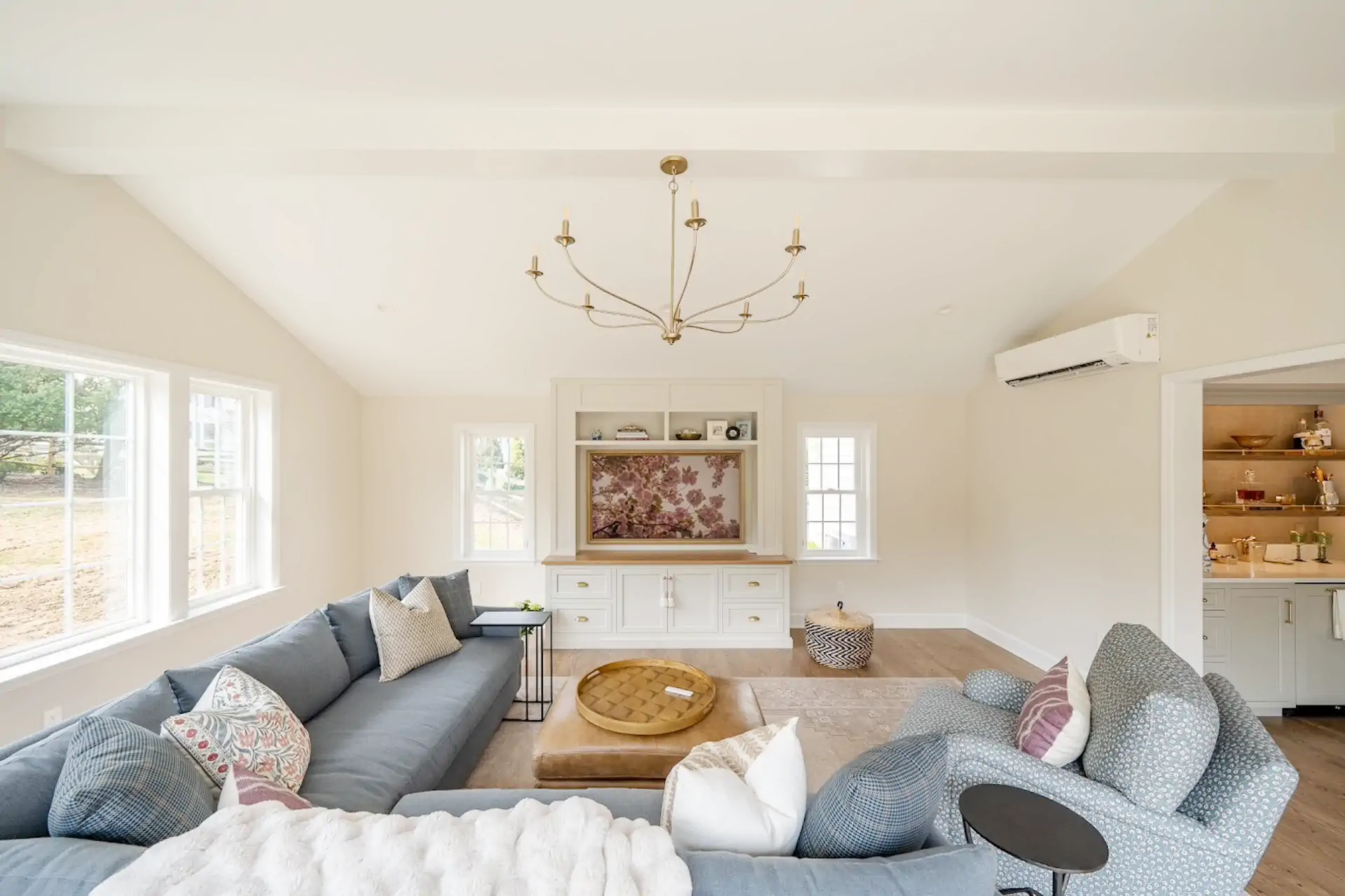
A full-home renovation is a major undertaking, and it usually requires three to six months of design and permitting and six to fourteen months of construction (with most projects tending toward the longer end of that range).
Remodeling an entire house typically involves structural changes, which means getting sign-off from an architect or structural engineer. That also makes permitting more complicated, which can add to the timeline. So while the construction phase is also longer during a full-home remodel, every step leading up to that, from design to site prep, takes longer as well.
If the whole-home renovation is a true gut remodel in which everything is taken down to the studs, it’s not uncommon for the project to take over a year.
With this type of vision, it sometimes makes sense to use a phased remodeling approach. With this method, you plan the entire scope of work for the house, but execute the project over a longer period of time. This can be a better option for people who want to live in their home while doing a full-scale remodel.
Factors That Affect Home Renovation Timelines
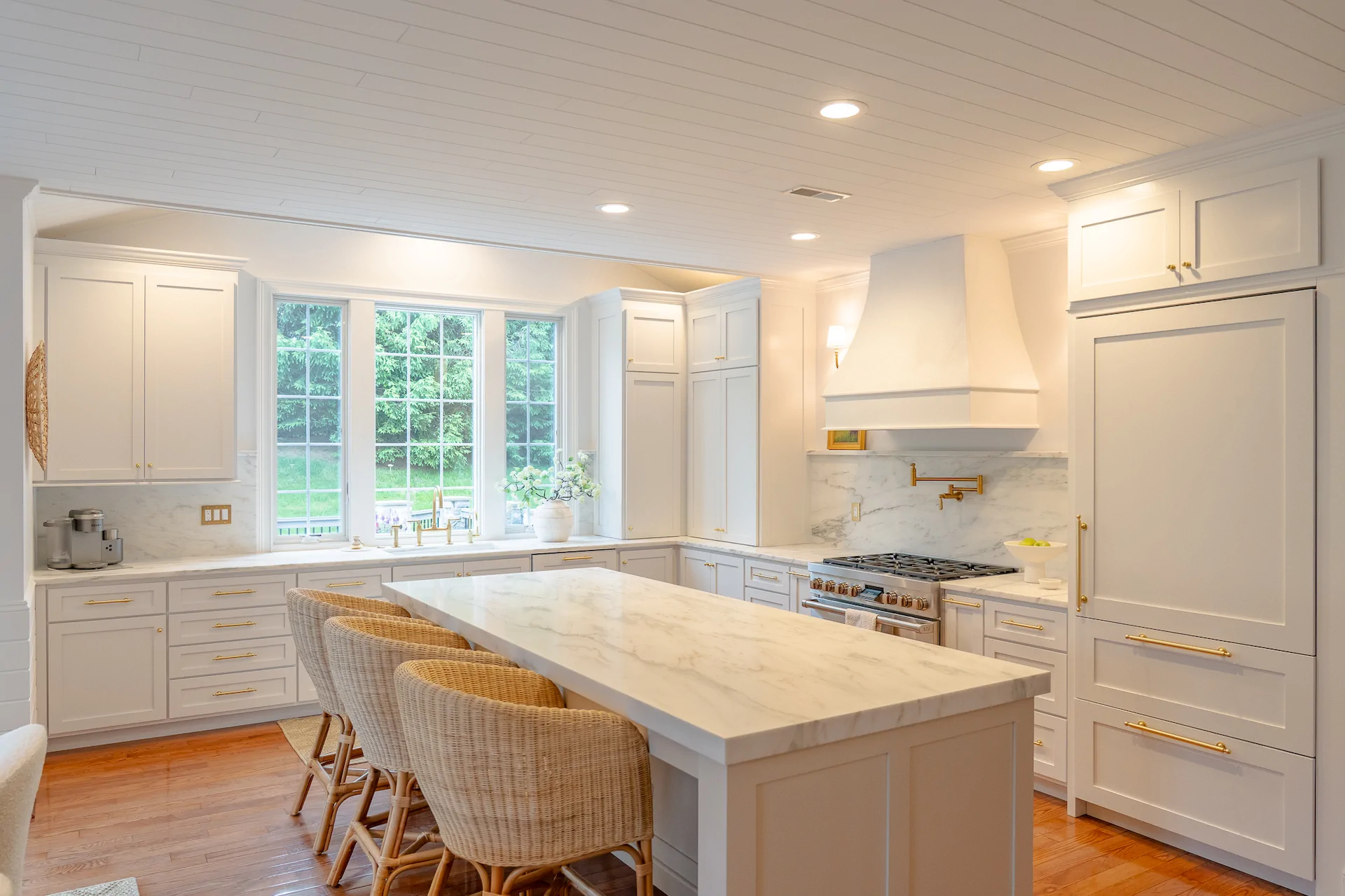
While the general remodeling process is similar across projects, the time required for each step can vary. In this section, I’ll introduce some of the steps and factors that can influence your project timeline.
Design Phase
During the design phase, you work with a remodeler to identify needs and preferences, define deliverables, address floor plans (if needed), and select finishes and fixtures. The bigger the project, the more design work required. Complexity also plays a big role as you need more careful planning and sign-off for structural remodeling, which includes just about anything that involves a load-bearing element.
Regardless of the size of the project, it’s important not to rush the design phase because that can lead to problems later on. A “measure twice, cut once” approach is ultimately more efficient and dependable. That said, being able to make key decisions early, including about must-haves and materials, can help bring the budget and schedule into focus more quickly.
Ordering Materials
Before construction can really begin, you need to procure materials. To prevent delays, work with your remodeler to create and freeze the master materials list so that they can promptly place orders for items with long lead times. Your remodeler can track delivery ETAs on a regular basis to make sure everything is delivered on time.
Permits and Inspections
A remodeling firm with experience working in your area will know its way around the local building department’s office, which can streamline this step. They can accelerate the process by submitting permit applications early, scheduling inspections as soon as possible, and following up regularly to keep things moving along.
That said, you can’t start work until permits are issued, and neither you nor the remodeler can control how long that takes. But with good planning and properly prepared documents, the process can move along as quickly as possible.
Bad Weather
For projects that involve any exterior work, bad weather can complicate the timeline. Storms and extreme weather not only prevent the construction team from working but also require steps to protect the worksite and materials. Depending on the job and the season, your remodeler may add some contingency days into the schedule to account for the possibility of bad weather.
Hidden Problems
One of the most perilous issues for completing a remodel on time is the discovery of hidden problems that arise mid-project. Often, this occurs during the demolition and rough-in process, which may reveal issues like rot or mold, preexisting electrical or plumbing problems, or other issues that complicate the project plan.
To avoid this, savvy remodelers do their own inspection after demolition and document any unexpected issues so that they can draw up formal change orders. This can impact both the schedule and budget, which is why many contractors allocate an initial contingency for these types of issues (or incorporate the possibility of encountering them into a fixed-price budget).
Subcontractor Availability
During the construction stage, certain parts of the project will require subcontractors who each manage their own schedule. If a subcontractor isn’t available at the right time, it can disrupt the schedule, especially if their work is a prerequisite for multiple other tasks.
One benefit of working with a top-tier remodeling firm is that they have a stronger network of subcontractors. They work with more dependable tradespeople and tend to have a good backup option if something unexpected happens with the person they planned to handle a task. High-end remodelers also excel at sequencing projects to optimize subcontractor availability.
Living Arrangements During Renovation
One way that homeowners can help keep a project on schedule is by making sure that their living arrangements are in place well before construction starts. In some cases, that means relocating for a period of time while work is ongoing. In other cases, it means establishing living zones that are separate from work areas.
We suggest that you start planning this as soon as possible because inadequate living arrangements can complicate site prep and daily workflow, potentially adding several weeks (or more) to the overall timeline.
Tips to Speed Up Your Home Renovation Timeline

Beyond what I’ve already mentioned, there are a few other tips that, in my experience, can prevent unnecessary delays:
- Ask questions up front: The right contractor will appreciate the fact that you want to be informed so that you can make quicker decisions.
- Make timely decisions: Select your finishes and materials early in the design phase, and don’t waver or constantly second-guess your decisions.
- Pay deposits promptly: This helps secure materials and lock in your place on the production calendar.
- Be available and communicate: Don’t leave your remodeler hanging when they reach out with a question.
- Maintain perspective: Don’t overreact to small but common delays; instead, focus on whether your remodeler is taking a solutions-oriented mindset toward keeping things moving forward.
Planning Your Remodel in the West Chester Area
Hazley Builders is a design-build remodeling firm that has been serving West Chester and Chester County for over 25 years. Our team, which includes a certified architect, in-house designers, project managers, and construction experts, collaborates on every project to optimize efficiency while also delivering the highest-quality results.
If you’re thinking about remodeling your home, we invite you to contact us today to schedule a free consultation. We’d love to learn about your vision and discuss your options and potential timelines for upgrading your home.