
It’s common to hear people loosely use the term “master plan” in all sorts of situations. On its face, we understand this to mean some sort of well-thought-out approach to a problem. But how often do we actually consider the core principles that separate a master plan from any other plan?
In this post, I want to explore the topic of master planning as it applies to home remodeling. A master plan provides a logical series of steps that can help you implement a long-term vision for your home. In the process, this master plan prevents headaches, wasted work, and sunk costs.
If you’re thinking about how to improve your home’s functionality, style, and value, a master plan can serve as the framework for organizing everything that needs to be done. For homeowners, knowing the benefits of master planning can be a key to successful home renovation projects.
What Are the Guiding Principles of Master Planning?
Several core principles or characteristics distinguish a master plan from other home remodeling plans or ideas.
- Goal-oriented: While it may not require a specific mission statement, a homeowner’s master plan has clear goals that will be accomplished. Some goals may require multiple projects to be fully achieved.
- Reflects a cohesive vision: A master plan for your home isn’t about just one room. Instead, it considers the needs of each individual space while also accounting for the fact that the whole is greater than the sum of its parts.
- Long-term focused: A master plan considers long-term wants and needs. For instance, homeowners might consider the future growth of their family or the need to have space to house aging parents. Even when short-term work is needed in your home, a master plan can make that work fit into the bigger roadmap.
- Effectively sequences construction projects: Proper phasing and sequencing is a hallmark of master planning. If projects have to be done in stages, a master plan is how you coordinate the order in which the work gets done. This ensures that all remodeling proceeds in a logical sequence without having to undo past work.
Master Planning Principles in Action
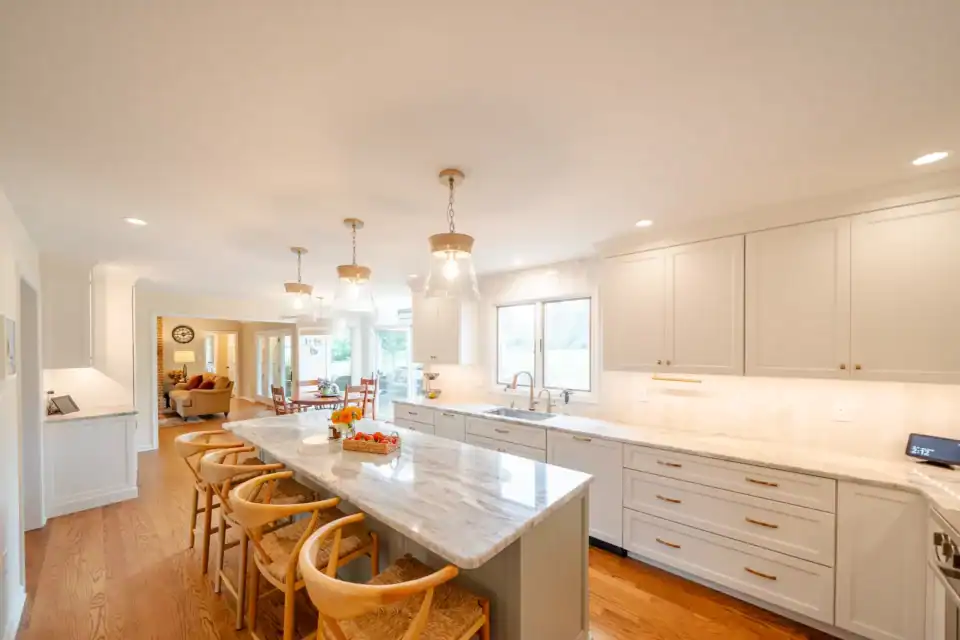
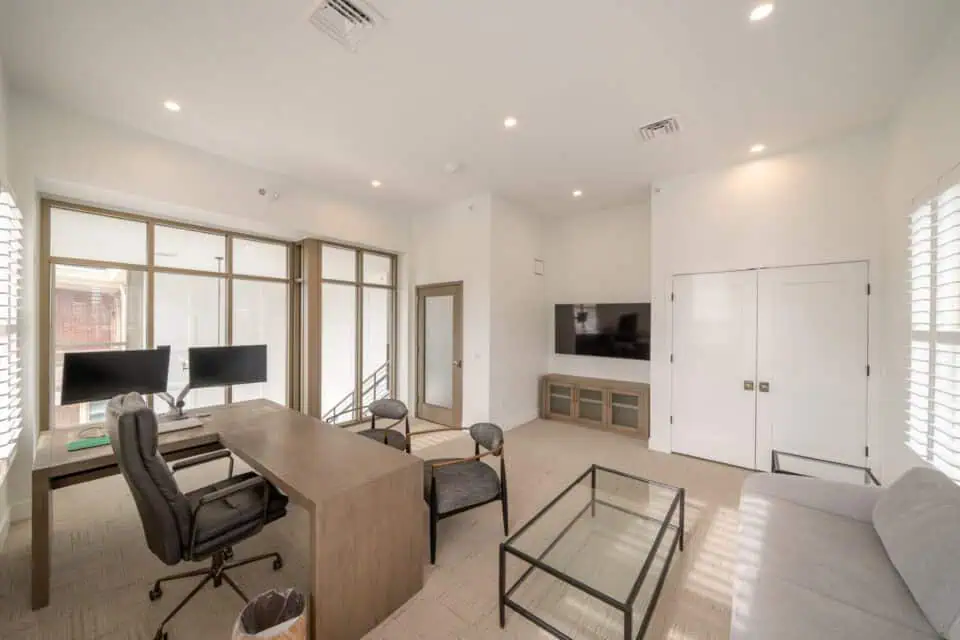
Let’s consider an example that involves each of these elements. Our hypothetical homeowners are parents with two young children who currently share a bedroom on the main floor. The parents know that they eventually want each child to have their own room. They also would like to have a home office to organize documents and occasionally work from home. Another goal is to have a bigger, more functional kitchen, which will come in handy when the kids are teenagers and will provide an ideal space for entertaining.
With these goals in mind, their idea is to do a full kitchen remodel, adding an island that doubles as a seated bar. Their vision also involves rearranging the layout on the second floor to open space for two bedrooms for the kids. That allows the main floor bedroom to be converted into an office. However, renovating the upstairs will require moving the stairs, which currently go to the kitchen.
In developing a master plan, the homeowners realize that there’s no point renovating the kitchen first—all that work would have to be redone when the stairs get moved. By thinking this through, they don’t waste time and money. They organize all the different remodeling projects into phases that make the entire process more efficient.
This may sound simple or obvious, but you’d be surprised by how many homeowners and contractors just shoot from the hip, rushing into a project without considering the bigger picture of what the homeowners truly want.
When Is Master Planning Beneficial?
Master planning is worthwhile anytime you’re considering a significant home remodel. Before design work and construction begin, it makes sense to think about your broader vision and future needs.
In practice, we tend to find that master planning offers the most benefits in certain situations:
- You want to make multiple upgrades to your home but don’t have the budget to do all of them now
- You purchased a fixer-upper and need to get it move-in ready while also planning for additional remodeling in the future
- You want to gradually prepare your home to meet future needs, such as having extra rooms for children or making accessibility upgrades to allow for aging-in-place
- You have a pressing need to address specific problems in your home and want to optimize the short-term work to serve your longer-term plans
In situations like this, a master plan provides a framework for understanding how to most effectively implement changes to your home. While master planning can add to upfront design costs, it can save a lot of money in the long run.
Key Steps in the Master Planning Process
An in-depth master planning process takes time and attention. The important steps to draft a master plan include:
- Define your goals for the short-, medium-, and long-term
- Identify problems needing immediate solutions
- List remodeling projects that advance your broader objectives
- Identify and rank your priorities for different projects
- Consider the budget you have available now and a projection of your available budget for future projects
- Develop a road map for different phases of the master plan and how and when each component of the work will be completed
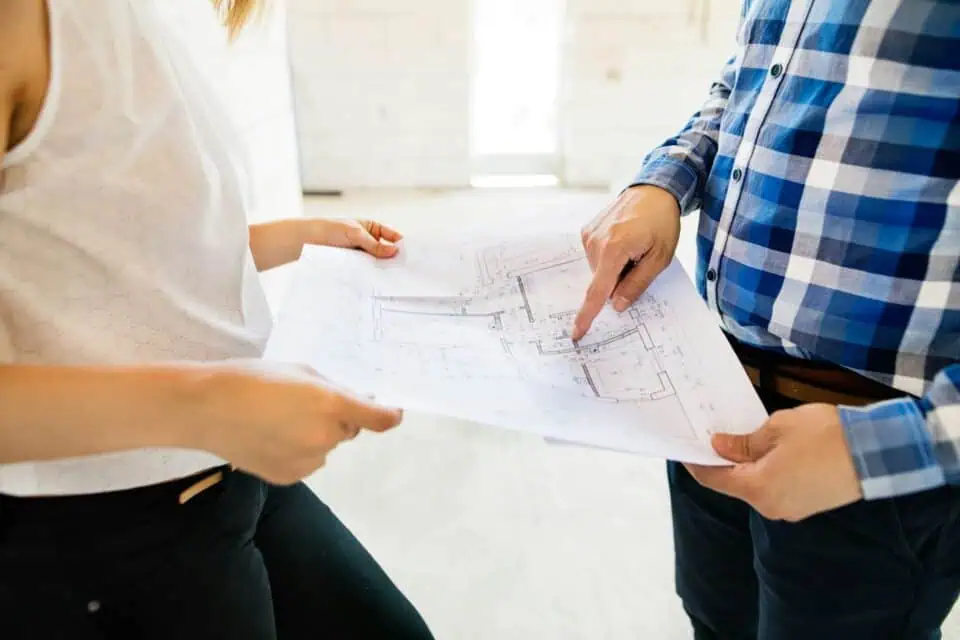
For most homeowners, this process is far easier in collaboration with an experienced interior designer or remodeling company. Input from someone who has expert-level knowledge about different types of remodeling projects can help make informed decisions about the master plan.
With a trusted remodeling firm, you can also develop a timeline for carrying out the work outlined in the master plan. A good master plan can be the basis of an ongoing partnership with a high-quality remodeler, setting you on a clear path to implementing the changes you want to see to create your dream home.
Finding High-Quality Master Planning Services
Master planners are experienced in diverse aspects of interior design, construction, and project management. Not all home remodeling companies can provide guidance that truly encompasses all of the moving parts that make up a master plan.
Our firm, Hazley Builders, has been in business for more than 25 years, offering our clients high-end design and remodeling services, including master planning. With a certified architect on staff, we are well-versed in handling complex projects, such as remodeling the West Chester area’s historic homes. We also do home building, which gives us additional insight into how to draw up the right plans so that everything comes together on time and budget.
We love working with homeowners to develop their master plans. We’re passionate about helping our clients envision their future, and, even better, helping them bring their vision to fruition.
If you’re planning a remodel and wondering if you could benefit from a master plan, contact us directly to schedule an appointment. In the meantime, feel free to explore our website and learn more about our team and our process.