

If you’re like many homeowners, you have dreams of a big change to your home. Maybe it’s a new second floor with a master suite, an added space with extra bedrooms for a growing family, an in-law suite, or an expanded kitchen. For these types of goals, a home addition offers the possibility of transforming your current house into your dream home.
But in pursuit of this vision, there’s a risk of moving too quickly with the wrong contractor. Choosing the right remodeler can be the difference between a smooth process and a stressful, costly headache.
Before you sign a contract, it’s crucial to reflect on whether you’ve hired the right team and fully understand all the details of the plan for design and construction. In this post, I’ll walk through the must-ask questions that are part of the essential due diligence before committing to a home addition.
Does the Contractor Have Experience with Home Additions?
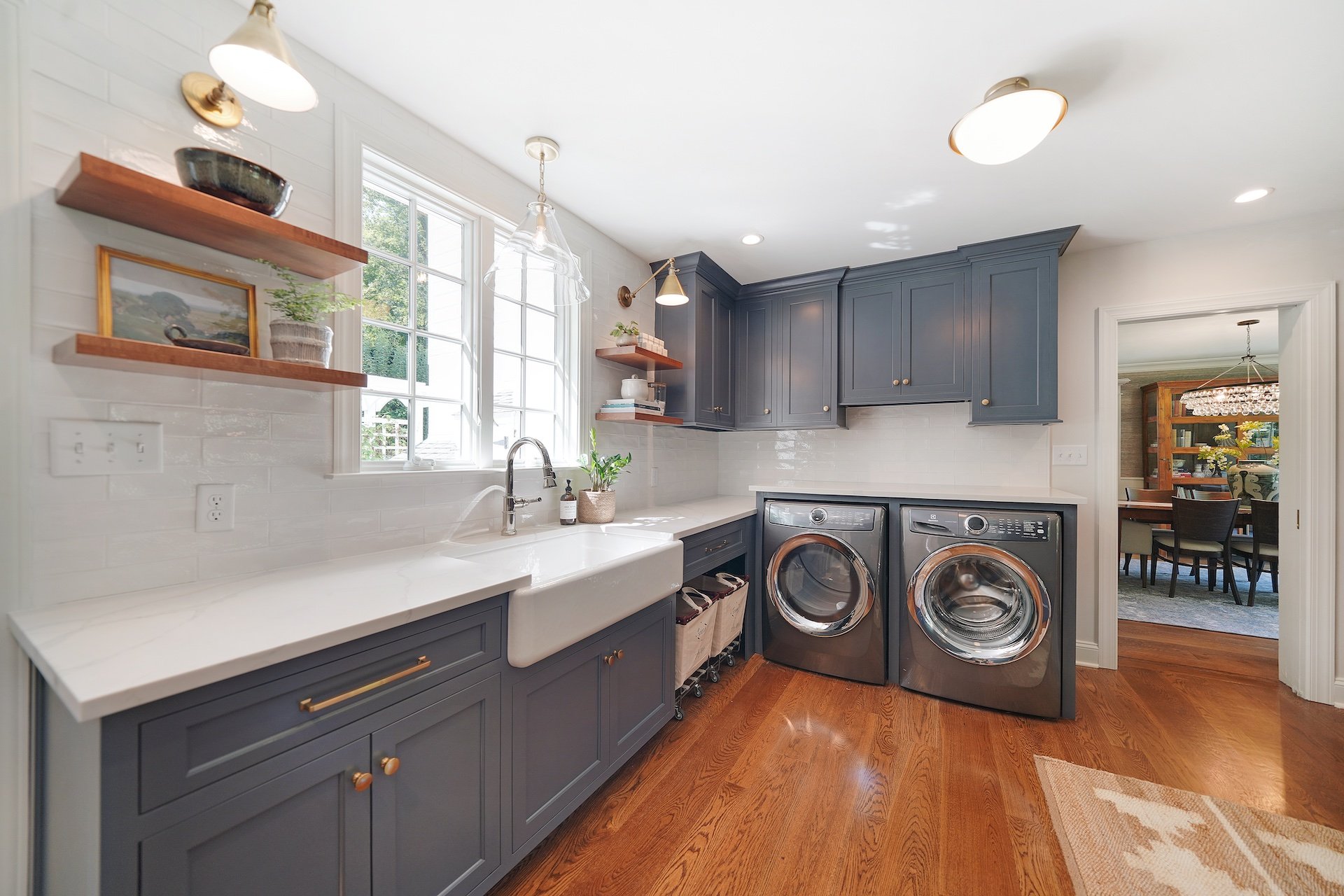
A home addition project is different from a simple remodel. You’re not just doing a cosmetic makeover but altering the structure or layout of your home. It’s a complex undertaking, which makes a contractor’s experience of paramount importance.
Ask potential contractors directly about their background in home additions. Try to get a sense of how frequently they do additions and what kinds of projects they usually handle.
Look for a contractor who can confidently discuss the challenges of expanding a home’s footprint. Someone might be a fantastic general contractor or handyman, but if their portfolio doesn’t include home additions, it should give you pause.
Have They Completed Home Additions of the Size and Scope of Your Remodeling Project?
Seeing work examples is important. Ask to see their home remodeling portfolio, specifically projects that have overlapping elements with yours.
If you are planning a large addition, look beyond just the photos and ask about the challenges that came up and how they resolved them. In addition, ask for references from past clients, which can offer insights into the quality of their work, their project management skills, and their ability to deliver on a major project.
Have You Closely Read the Contract?
Before signing your name to a contract for a major renovation, you should make sure that you know exactly what’s in it. Dedicate some time to read it closely, without distractions, and with a pen or pencil in hand.
Is the Contractor’s Documentation in Order?
To avoid bigger problems down the line, ensure your contractor is licensed, bonded, and insured.
Being licensed means a contractor is legally authorized to operate. Being bonded provides financial recourse if they fail to complete the project. Being insured protects you from liability should any accidents occur.
Beyond these basics, consider permitting. A reputable contractor will be well-versed in local building codes and regulations, including those related to noise, demolition, and debris disposal. They should handle the permitting process required for your specific project.
Have They Closely Studied Your Existing Space?

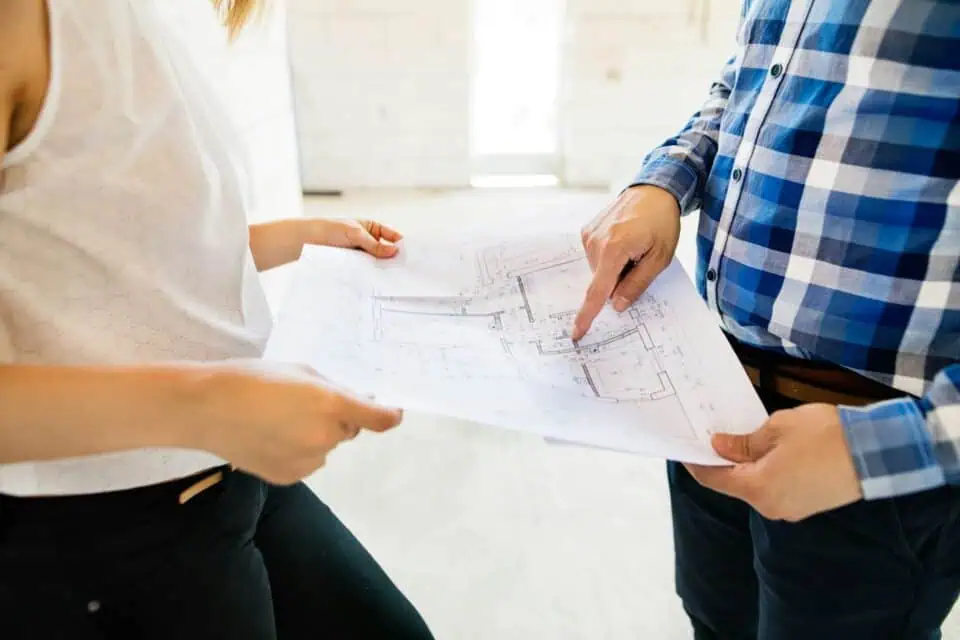
Before design or construction begins, a thorough assessment of your current home is essential. This is not just a walkthrough but a detailed study of your existing structure, foundation, utilities, and site conditions.
The person designing your home addition should ask for details about your needs, style preferences, and how you envision using the new livable space from the addition. That allows them to present different home addition options and create a construction plan that accounts for all the work that needs to be done to achieve your goals.
Be wary of contractors who try to move through this process too quickly, which could mean overlooking key details about your existing space. Rushing the design can lead to structural problems, suboptimal results, and cost overruns.
What Does the Contract Say about Cost Overruns?
Home additions are expensive in themselves, but cost overruns can dramatically increase the project’s budget. That’s why you should take the time to understand how responsibility is determined if the costs get inflated by unexpected issues.
Scrutinize the contract for clauses addressing things like:
- What happens if problems arise during construction, such as structural damage that wasn’t visible before or hidden plumbing that has to be moved?
- Are change orders required before modifying the work plan?
- How is pricing calculated for contingencies or change orders?
- Under what circumstances is the contractor responsible for cost overruns?
If you have questions about the wording of the contract, don’t leave it up to chance. Ask the remodeling contractor or even consider consulting with a lawyer to get certainty and avoid financial stress.
Do They Have an Architect on Staff Who Can Approve the Home Addition Design Plans?
Architectural expertise is often needed for home additions that involve structural changes to open up extra space in your home. For projects requiring permits, design plans may need to be stamped by a certified architect or a structural engineer.
Some remodelers have an architect on staff, which can streamline design and communication. If a contractor doesn’t have an in-house architect, find out how they incorporate architectural review into their planning and whether that service is included in the budget.
Read More: Top Trends in Home Addition Design
Do They Have Plans for Protecting Your Living Spaces?

Your home project should enhance your life with desired improvements, not introduce unwelcome complications. Construction zones are messy, noisy, and intrusive, and a considerate contractor will make a plan to protect your living spaces.
It helps to ask directly about how they minimize the spread of dust and debris, including with barriers like plastic sheeting. You can also ask what steps they take to prevent damage to your floors, windows, and furniture.
What’s the Project Timeline?
Establishing a realistic project timeline is important, even if the schedule isn’t set in stone. A quality home addition contractor will set expectations about how long the work will take and when they plan to hit key milestones on the way to completing the job. A defined timeline, even a flexible one, provides a framework for you to track progress and coordinate your plans accordingly.
Who Is Your Main Point of Contact?
Clear communication is paramount during home addition projects. Before getting started, you should know who your main point of contact will be for any questions or concerns that arise. Having a clear communication plan from the get-go sets the stage for a smoother working relationship for the entire course of your home addition project.
Many contractors will assign you a project manager to serve as your primary contact during construction. You’ll work with them directly, so ideally, you’ll have a chance to meet them before signing the contract.
Dependable Services for Your Home Addition
Hiring the right remodeler can avoid all types of pitfalls during a renovation. If you’re considering a new addition to create more space in your home, finding the right contractor can determine the success of the project.
Our firm, Hazley Builders, specializes in custom projects, including home additions. We’ve been providing remodeling services to West Chester and the Chester County community for more than 25 years. Our in-house design department includes a certified architect, and our construction team is experienced in complex work. With our design-build process, we handle the whole project, from design to permitting to putting the finishing touches on your upgraded home.
Our team would welcome the opportunity to learn about your vision for your home addition and how we can help make it a reality. Contact us today to schedule a call or an in-home visit.